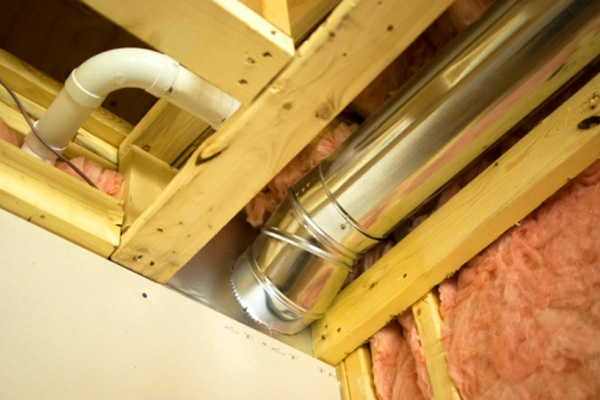
 Hot & Cold Insulation and Ducting
In the pursuit of comfortable indoor environments, energy efficiency and cost savings, insulation and ducting play pivotal roles. Hot insulation keeps heat inside steam and hot water lines, cold insulation keeps chilled water and refrigerant lines cold and dry, and well-built ductwork carries conditioned air where it is needed. These components often go unnoticed, but they are essential for every efficient HVAC and process plant.
Importance of Insulation and Ducting
Insulation and ducting are integral parts of any heating, ventilation and air conditioning (HVAC) system. Insulation serves as a barrier that prevents the transfer of heat between a pipe, vessel or duct and its surroundings. Ducting distributes conditioned air throughout the building. Together, they contribute to:
Energy Efficiency
Properly insulated pipes, equipment and ducts minimise heat loss and heat gain, reducing energy consumption and utility bills.
Comfort & Process Stability
Insulation keeps fluid and air temperatures stable. Ducting ensures even distribution of conditioned air, eliminating hot or cold spots.
Air Quality & Safety
Sealed ducts keep dust and pollutants out of the air supply, while hot insulation protects people from burns on hot surfaces.
Hot Insulation
Hot insulation is applied to steam lines, condensate lines, hot water pipes, thermic fluid lines, boilers, tanks and heat exchangers. It reduces heat loss, keeps the process at the right temperature and protects workers from hot surfaces. Common materials include rockwool (mineral wool), glass wool and calcium silicate, finished with aluminium or GI sheet cladding for protection against weather and mechanical damage.
Cold Insulation
Cold insulation is applied to chilled water pipes, brine lines, refrigerant lines, chillers, AHUs and cold rooms. Along with preventing heat gain, it must stop moisture from reaching the cold surface, otherwise condensation, dripping and corrosion follow. Common materials include nitrile rubber, PUF, XLPE and expanded polystyrene, installed with a proper vapour barrier and sealed joints.
Types of Insulation
There are various types of insulation, each with unique properties suited to different applications:
Ducting Systems and Their Significance
Ducting systems ensure the efficient distribution of conditioned air throughout a building. Well-designed ductwork is crucial for maintaining temperature consistency and indoor air quality. Common duct materials include GI sheet metal, fiberglass duct board and flexible ducting. Ducts can develop issues like leaks, poor sealing and damaged insulation, leading to energy wastage, condensation and compromised air quality if left unchecked.
The Role of Professional Insulation & Ducting Services
Assessment & Recommendation
We assess hot and cold lines, equipment and ducting, and recommend the most suitable insulation material and thickness.
Installation & Repair
Proper installation of insulation, vapour barriers, cladding and ductwork, plus prompt repair of damaged sections, guarantees optimal performance.
Energy Efficiency & Cost Savings
Well-insulated systems and efficient ducting reduce energy consumption, with savings that outweigh the initial service cost over time.
Hot insulation, cold insulation and ducting are the unsung heroes of comfortable, energy-efficient plants and buildings. Whether you're building a new facility or upgrading an existing one, professional insulation and ducting services from experienced providers like Madhusuman Enterprises pay off in energy savings, better air quality and long-term equipment reliability.